
The most common reasons to have a retaining wall are to prevent erosion, keep soil back, separate areas of your lawn, or to create an elevated flower bed. They may look simple to build but can get complicated depending on what type and where the retaining wall is being built. The basic types of retaining walls are gravity, cantilevered, sheet piling, and anchored. The most common reason for building a retaining wall is to battle gravity.
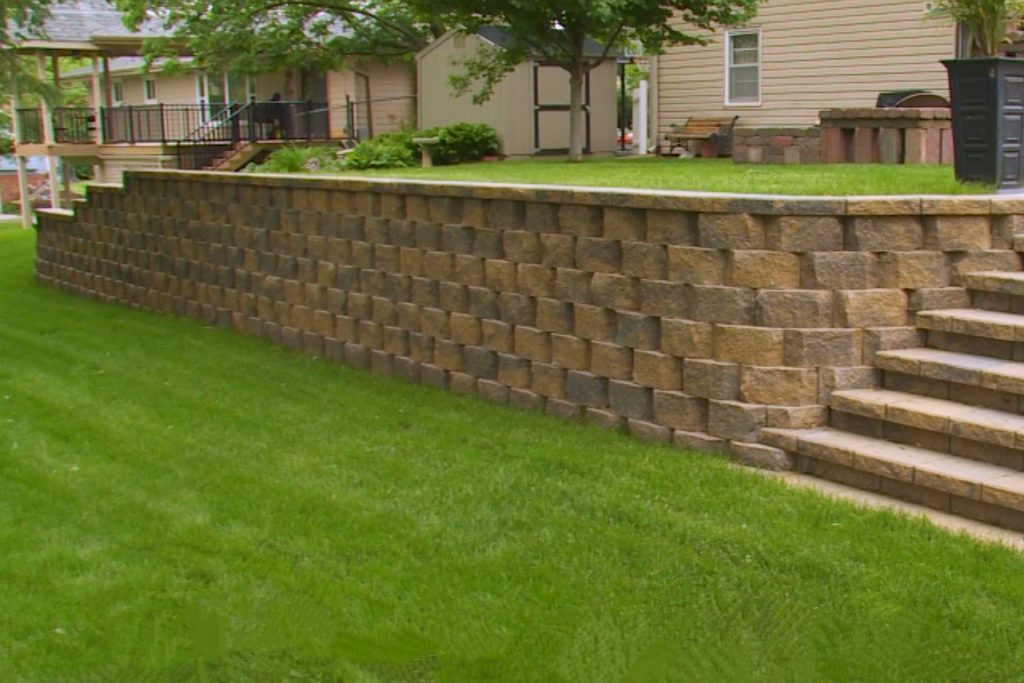
Here are some basic retaining wall do’s and don’ts:
DO: Get creative with the design.
There are many types of bricks to choose from, so make sure it compliments your home.
DON’T: Ignore the importance of structure.
Building a small retaining wall, less than four feet, is less complicated. Larger walls may need to be designed by an engineer. They will likely need more reinforcement to prevent future issues of leaning or sagging.
DON’T: Leave out the base of the wall.
Neglecting your substrate may cause some issues in the overall structure. A retaining wall begins with a solid base that starts with a level ground with sufficient fill. A well-built retaining wall can transform an unusable incline into a functional outdoor space.
DO: Know When to Call in the Professionals
When planning your retaining wall project, the most critical decision you’ll make happens before you even break ground: determining whether you need professional help. Here’s a rule that could save you thousands in repairs and legal headaches – any retaining wall exceeding 4 feet in height requires professional engineering design and building permits. This isn’t just a suggestion; it’s codified in the 2018 International Building Code Section 1807.2. The engineering requirements at this height threshold increase dramatically due to soil pressure calculations, and attempting to build without proper design can result in structural failure, legal issues, and required demolition. Always check with your local building authorities first, regardless of wall height, as some areas have stricter requirements that could affect even smaller projects.
DO: Build a Rock-Solid Foundation
The foundation of your retaining wall – literally – determines everything that follows, and this is where many DIY projects go wrong. Your foundation depth should follow a specific formula: one-eighth of the wall height plus three inches deep. But there’s more to consider than just depth. In colder climates, your foundation must extend below the frost line to prevent movement during freeze-thaw cycles, and it should be built on structurally sound, compacted sub-base material. Never compromise on foundation quality – as the research consistently shows, “A wall is only as good as its foundation”. Take time to excavate properly, use compacted gravel for stability, and ensure your foundation extends at least one foot beyond the wall’s base width for adequate support.
DO: Prioritize Drainage Above All Else
Here’s where most retaining walls fail, and it’s not what you might expect – it’s water, not weight, that brings them down. Most retaining wall failures occur due to water pressure buildup behind the wall, making drainage your most important technical consideration. You absolutely must incorporate multiple drainage solutions: use crushed gravel or rock behind the wall to facilitate water movement, install perforated drainage pipes at the base to direct water away, and include weep holes for structural walls to allow water to drain through the wall face. Without proper drainage, water in the soil greatly increases lateral pressure on the wall and can lead to catastrophic failure. Don’t let poor drainage turn your investment into an expensive mistake.
DON’T: Skimp on Materials or Backfill
Material selection can make or break your project, and this is where cutting corners becomes costly. Never use regular concrete blocks for retaining walls – they simply aren’t designed to handle the unique pressures involved in soil retention. Instead, choose materials specifically engineered for retaining walls, whether that’s architectural-grade concrete blocks, precast concrete modular units, or natural stone designed for structural applications. Each material has its place: poured concrete offers strength and minimal maintenance for permanent structures, natural stone provides timeless aesthetic appeal, and specialized concrete blocks offer easier installation while maintaining structural integrity. Remember that proper backfilling with crushed rock and adequate compaction is just as important as your material choice – neglecting this step can lead to settlement and wall failure regardless of how good your materials are.
We Provide Retaining Wall Installation & Maintenance Services
Retaining wall services extend beyond mere structural construction, encompassing considerations such as drainage, soil composition, and the integration of landscaping elements. Well-designed retaining walls not only provide essential support but also contribute to the overall visual harmony of the outdoor environment. By incorporating a variety of materials, textures, and finishes, these structures can complement the existing landscape and add depth and character to the surroundings.
> Learn More
Contact Us (859-781-0677) for More Information!
—

About Davis Landscaping
Davis Landscape Design & Installation has been providing landscaping services to customers in Northern Kentucky and Greater Cincinnati since 1965! We know that the landscape design process can be overwhelming, so we work with you tirelessly to better understand your vision. At Davis Landscape Design & Installation, we’re on your team and we know how to listen and deliver.