
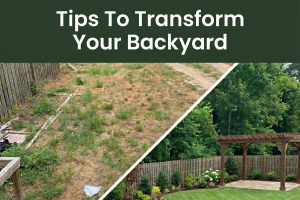
 Creating a stunning backyard is not just about aesthetics; it’s about crafting a space that reflects your personality and meets your lifestyle needs. Whether you envision a tranquil retreat, a vibrant garden, or an entertaining area for family and friends, a well-planned landscaping project can turn your dreams into reality. This guide will walk you through the essential steps to transform your backyard into a beautiful and functional outdoor space.
4 Tips for Creating a Successful Outdoor Transformation
-
Plan with purpose: Before starting any work, define how you’ll use the space. Whether it’s for entertaining, relaxation, or gardening, knowing your goals will guide all design decisions and prevent costly changes later.
-
Create defined zones: Establish distinct areas for different activities using changes in materials, levels, or plantings. A dining area, lounge space, and garden section can coexist beautifully when properly delineated.
-
Incorporate year-round elements: Choose a mix of plants with varying blooming seasons and evergreens to ensure your space remains visually interesting throughout all seasons. Consider how features like fire pits or covered areas can extend usability into cooler months.
-
Balance hardscaping and softscaping: The most appealing outdoor spaces strike a harmony between hardscape elements (pavers, decking, structures) and softscape features (plants, trees, grass). Neither should overwhelm the other for a cohesive look.
Assessing Your Current Space
Before diving into any landscaping project, it’s crucial to evaluate your existing backyard. This assessment will help you identify strengths, weaknesses, and opportunities for improvement.
Understanding Your Environment
Begin by observing the natural features of your yard. Take note of:
-
- Sunlight Exposure: Identify areas that receive full sun, partial shade, or full shade throughout the day. This will influence your plant choices.
- Soil Quality: Conduct a soil test to determine pH levels and nutrient content. Healthy soil is vital for plant growth.
- Drainage Patterns: Observe how water flows through your yard during rain. Areas that pool water may require drainage solutions.
Setting Your Goals
Once you have a clear understanding of your space, outline your goals for the transformation. Consider the following:
-
- Functionality: Do you want a space for entertaining, gardening, or relaxation?
- Aesthetic Appeal: What style resonates with you? Modern, rustic, or tropical?
- Budget: Establish a realistic budget that encompasses all aspects of the project, from materials to labor.
Designing Your Landscape
With your goals in mind, it’s time to create a design that brings your vision to life. A well-thought-out layout will enhance the functionality and beauty of your backyard.
Creating a Layout
Start by sketching a rough layout of your backyard. Include:
-
- Zones: Designate areas for different activities, such as dining, lounging, and gardening.
- Pathways: Plan for walkways that connect various zones, ensuring easy access and flow.
- Focal Points: Identify key features, such as a fire pit, water feature, or garden bed, that will draw the eye.
Choosing Materials
Select materials that complement your home’s architecture and the overall theme of your landscape. Consider:
-
- Hardscaping: Use durable materials like stone, brick, or concrete for patios, walkways, and retaining walls.
- Softscaping: Choose plants that thrive in your climate and fit your desired aesthetic. Incorporate a mix of trees, shrubs, flowers, and grasses for visual interest.
Implementing Sustainable Practices
Incorporating sustainable practices into your landscaping not only benefits the environment but also enhances the longevity of your outdoor space.
Water Conservation
Implement water-saving techniques to reduce consumption:
-
- Drip Irrigation: Install a drip irrigation system to deliver water directly to plant roots, minimizing waste.
- Rainwater Harvesting: Collect rainwater in barrels for irrigation, reducing reliance on municipal water sources.
Native Plant Selection
Opt for native plants that are well-adapted to your local climate. Benefits include:
-
- Low Maintenance: Native plants typically require less water and fewer chemicals.
- Biodiversity: They support local wildlife, including pollinators like bees and butterflies.
Creating Outdoor Living Spaces
Transform your backyard into an extension of your home by designing inviting outdoor living areas.
Dining and Entertaining Areas
Consider adding a patio or deck for outdoor dining and entertaining. Key elements include:
-
- Furniture: Invest in comfortable seating and dining sets that withstand the elements.
- Shade Structures: Install pergolas, awnings, or umbrellas to provide relief from the sun.
Relaxation Zones
Create serene spaces for relaxation and reflection. Ideas include:
-
- Hammocks: Hang a hammock between trees for a cozy reading nook.
- Fire Pits: Incorporate a fire pit for warmth and ambiance during cooler evenings.
Landscaping with Plants
Plants are the heart of any landscape design. Selecting the right varieties will enhance the beauty and functionality of your backyard.
Choosing the Right Plants
When selecting plants, consider:
-
- Growth Habits: Understand how tall and wide plants will grow to avoid overcrowding.
- Seasonal Interest: Choose a mix of plants that bloom at different times for year-round color.
Planting Techniques
Utilize effective planting techniques to ensure healthy growth:
-
- Group Planting: Plant in clusters for a more natural look and to create visual impact.
- Layering: Use taller plants at the back and shorter ones in front to create depth.
Incorporating Water Features
Water features can add tranquility and beauty to your backyard. Options include:
Fountains and Ponds
-
- Fountains: A small fountain can create soothing sounds and attract birds.
- Ponds: Consider a pond with aquatic plants and fish for a serene focal point.
Swimming Pools
If space allows, a swimming pool can be a fantastic addition for recreation and relaxation. Consider:
-
- Design: Choose a shape and style that complements your landscape.
- Surroundings: Create a patio area with lounge chairs and shade for a complete oasis.
Enhancing Curb Appeal
Your backyard transformation should also enhance the overall curb appeal of your home. Consider these elements:
Front Yard Landscaping
Don’t neglect the front yard; it sets the tone for your property. Ideas include:
-
- Pathways: Create inviting walkways leading to your front door.
- Plantings: Use colorful flowers and shrubs to frame your home.
Lighting
Incorporate outdoor lighting to highlight features and improve safety. Options include:
-
- Path Lights: Illuminate walkways and driveways.
- Accent Lighting: Highlight trees, sculptures, or architectural features.
Maintenance and Care
A beautiful landscape requires ongoing maintenance to thrive. Develop a care routine that includes:
Regular Upkeep
-
- Mowing and Pruning: Keep lawns tidy and plants healthy through regular trimming.
- Weeding: Stay on top of weeds to prevent them from overtaking your garden.
Seasonal Adjustments
Adapt your care routine to the changing seasons:
-
- Spring: Fertilize and prepare your garden for planting.
- Fall: Clean up leaves and prepare plants for winter.
Working with Professionals
If the project feels overwhelming, consider hiring professionals to assist with your backyard transformation.
Landscape Designers
A landscape designer can help you create a cohesive plan that aligns with your vision and budget. They bring expertise in:
-
- Design Principles: Understanding how to create functional and beautiful spaces.
- Plant Selection: Knowledge of which plants thrive in your area.
Landscaping Contractors
For larger projects, hiring a contractor can ensure quality installation. Look for:
-
- Experience: Choose contractors with a proven track record in landscaping.
- References: Ask for references or check online reviews to gauge their reputation.
Transforming your backyard into a beautiful and functional space is an exciting journey that requires careful planning and execution. By assessing your current space, designing thoughtfully, and incorporating sustainable practices, you can create an outdoor oasis that reflects your style and meets your needs. Whether you choose to tackle the project yourself or enlist the help of professionals, the result will be a backyard that enhances your home and enriches your life. Embrace the process, and enjoy the transformation of your outdoor space into a haven of relaxation and enjoyment.
We Provide Landscaping Design and Installation Services
Landscaping design services offer a plethora of benefits, including enhancing property value, improving the quality of life, and minimizing water consumption. A well-designed landscape provides opportunities for outdoor activities, such as gardening and relaxation, while demanding less energy for upkeep. By carefully planning and implementing landscape design, individuals can transform their outdoor spaces into lush, inviting environments that offer both visual appeal and practical functionality, ultimately enriching their lives and contributing positively to the broader environment.
> Learn More
Contact Us (859-781-0677) for More Information!
—
 About Davis Landscaping

Davis Landscape Design & Installation has been providing landscaping services to customers in Northern Kentucky and Greater Cincinnati since 1965! We know that the landscape design process can be overwhelming, so we work with you tirelessly to better understand your vision. At Davis Landscape Design & Installation, we’re on your team and we know how to listen and deliver.